Gen Z and Millennials in 2025: Mental Health, Anonymity, and the Search for Connection
Gen Z and Millennials in 2025: Mental Health, Anonymity, and the Search for Connection
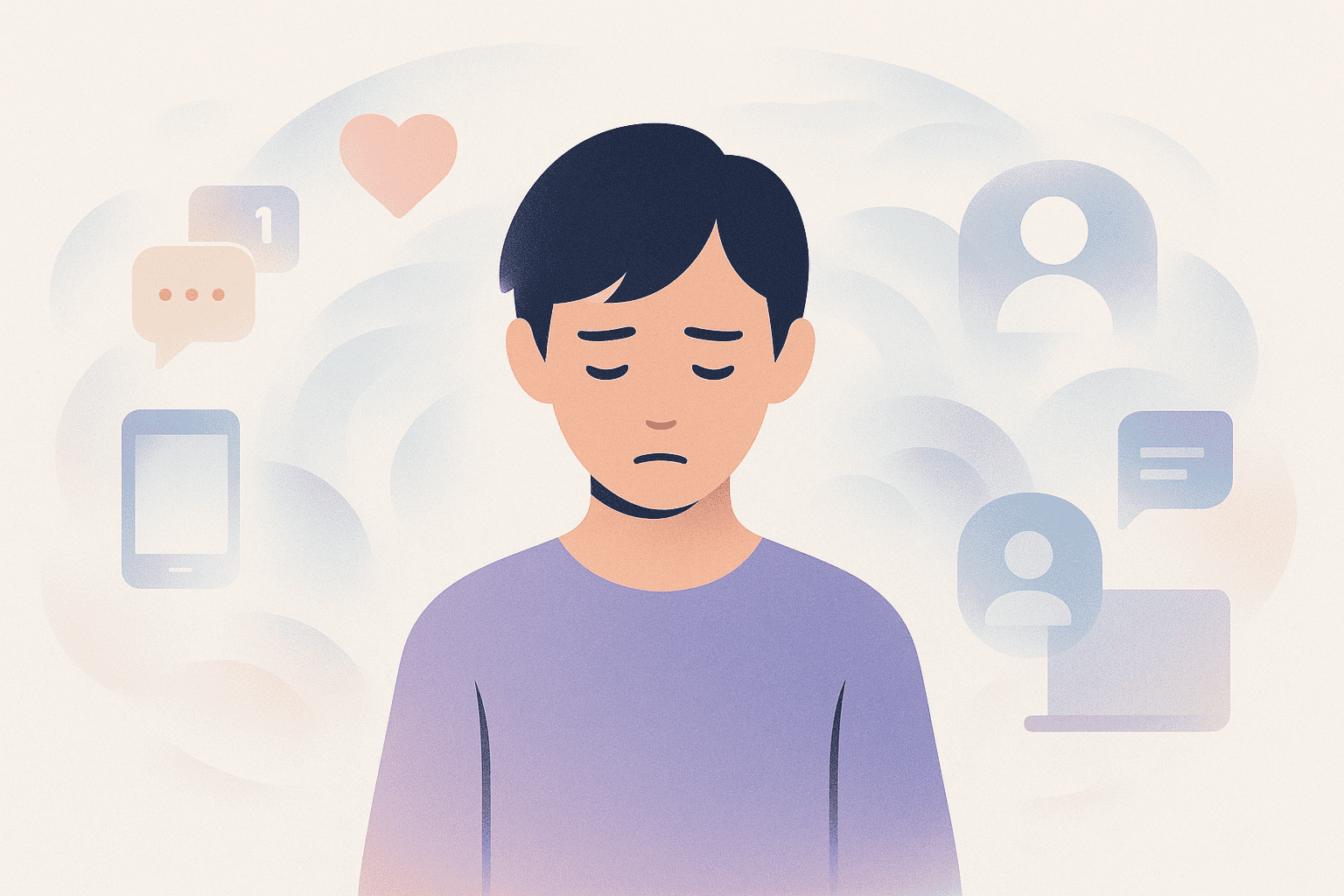
In an age of relentless digital engagement, Gen Z and Millennials in the United States find themselves navigating an emotionally complex terrain. Hyper-connected, yet increasingly disconnected on a personal level, these generations report rising rates of loneliness, anxiety, and emotional fatigue. While technology offers unprecedented avenues for self-expression and communication, it also amplifies the challenges of mental health in an era where identity, attention, and authenticity are often commodified.
Connected but Emotionally Isolated
Despite the ubiquity of digital platforms, young people are experiencing what experts have described as a "loneliness epidemic." Reports from mental health researchers in recent years underscore a paradox: nearly half of young adults say they feel alone on a weekly basis, even though they are digitally tethered to hundreds of peers. Being visible online does not always translate to feeling seen.
A deeper look into these dynamics reveals how curated digital personas contribute to a widening disconnect between reality and perception. The carefully edited posts, filtered images, and performance-driven interactions often lead to feelings of inadequacy. Many users report emotional strain when comparing themselves to idealized portrayals of their peers, a phenomenon that disproportionately impacts young women.
While the promise of connection is central to digital life, the outcomes frequently skew toward diminished self-esteem and heightened anxiety. Sleep disruption, body image issues, and social comparison are cited as significant stressors tied to digital engagement. But instead of resigning themselves to these effects, many in Gen Z and among younger Millennials are actively reevaluating their relationship with digital platforms.
A Cultural Shift Toward Emotional Authenticity
One of the most notable developments is the growing rejection of "highlight reel culture" in favor of genuine emotional transparency. Increasingly, young adults seek spaces where they can share unfiltered content and engage in honest dialogue. Expressions of vulnerability, rather than strength, are now seen as signs of confidence.
This trend dovetails with the rise of mental health literacy among younger generations. Terms like "therapy speak," "self-care," and "emotional regulation" have entered mainstream conversations. Many Gen Z individuals identify as advocates for mental wellness, openly discussing experiences with anxiety, depression, and burnout. In turn, online communities have evolved to accommodate this cultural transformation, emphasizing support over spectacle.
The Rise of Anonymity as a Mental Health Tool
Simultaneously, there is a growing preference for anonymous and pseudonymous digital environments. Unlike earlier online norms that emphasized personal branding and visibility, today's young users are gravitating toward platforms where identity can be obscured or fluid. This shift is driven by a desire for privacy, safety, and freedom from judgment.
Growing up in a world where childhood moments were often documented and shared without consent, many Gen Z individuals are acutely aware of the long-term consequences of permanent online footprints. Their preference for ephemeral content, disappearing posts, and private interactions reflects a deeper need to reclaim control over their digital identities.
Anonymity, for many, represents liberation. Free from the pressures of performative posting, users find it easier to express difficult emotions, ask sensitive questions, and engage in self-discovery. Platforms with anonymous features have become digital refuges where individuals can explore their thoughts without fear of repercussions.
Digital Communities and Emotional Safety
Far from being voids of meaning, anonymous spaces are often rich with emotional resonance. Users form connections based on shared struggles rather than curated lifestyles. In these digital sanctuaries, a post about grief or anxiety may receive more engagement and empathy than any picture-perfect moment.
The safety afforded by anonymity lowers social barriers and encourages openness. It allows individuals to discuss topics like mental health, trauma, sexuality, and personal crises without shame. These spaces often serve as the first point of contact for those who feel alienated in their offline environments.
Moreover, anonymity has given rise to peer support systems that function as informal mental health networks. Young users frequently offer one another advice, comfort, and validation—sometimes more immediately and effectively than formal institutions. The result is a patchwork of digital support, where users are both helpers and helped.
Balancing Anonymity and Accountability
However, the same features that make anonymous spaces comforting can also render them dangerous. Without identity-based accountability, some users exploit anonymity to harass others or propagate harmful content. The challenge, then, is managing the dual potential of these environments.
While many communities implement moderation protocols and guidelines, enforcement remains inconsistent. Some platforms utilize automated tools to detect hate speech, threats, or indications of self-harm, but these tools are not foolproof. As a result, young people navigating anonymous spaces must develop digital literacy skills to differentiate supportive environments from toxic ones.
The debate over the ethics of anonymity is intensifying. Critics argue that it enables deception, bullying, and radicalization, while defenders highlight its importance for marginalized voices and mental health expression. As digital platforms continue to evolve, striking a balance between openness and safety will remain a central concern.
Ephemerality and Context-Driven Interaction
Another growing trend is the preference for fleeting content and hyper-contextual interaction. Instead of broadcasting to a broad audience, many young people now favor niche group chats, private communities, and campus-based discussion forums. Content shared in these settings is often designed to disappear—a deliberate departure from the permanence that once defined social media.
This ephemeral mode of engagement allows users to be present in the moment without the burden of legacy. It fosters spontaneity and helps reduce the anxiety associated with posting "forever" content. For Millennials, who witnessed the rise of permanent digital records, the move toward temporary and context-specific interaction marks a return to the more casual, conversational roots of early internet culture.
Emotional Toll and Burnout in the Digital Age
Despite these innovations, the emotional toll of online engagement remains a serious issue. Continuous exposure to distressing content, from global crises to personal tragedies, can overwhelm even the most resilient users. This emotional saturation has led to what psychologists term "compassion fatigue" and "doomscrolling burnout."
For young people deeply involved in digital communities, the boundary between empathy and exhaustion is often blurred. They may feel responsible for staying informed, yet helpless in the face of overwhelming suffering. Some users report emotional numbness, withdrawal, or feelings of hopelessness linked to their online activity.
The mental strain is compounded by the algorithmic nature of many platforms, which prioritize engagement over well-being. Negative content tends to spread faster and more widely, further exacerbating anxiety and despair. In this context, developing digital coping strategies is critical. Practices like intentional disengagement, content curation, and scheduled breaks have become essential tools for mental preservation.
The Role of Anonymity in Youth Empowerment
While anonymity presents challenges, it also offers a new form of empowerment. It allows young people to test ideas, seek support, and build resilience without the pressure of visibility. In anonymous or pseudonymous forums, users can redefine themselves on their own terms, free from societal expectations or stereotypes.
This autonomy is particularly meaningful for marginalized individuals, whose voices might be dismissed or policed in mainstream settings. By removing identity markers, anonymous platforms create a more level playing field, where ideas are judged by their merit rather than the speaker's background.
Moreover, anonymity fosters experimentation. Users can explore new identities, communities, and belief systems in a low-risk environment. This exploration is not aimless; for many, it becomes a pathway to greater self-awareness and confidence.
Reclaiming Connection in an Anonymous World
Paradoxically, the pursuit of anonymity often leads to deeper connection. In spaces where pretense is stripped away, users engage more authentically. Instead of broadcasting polished versions of themselves, they share thoughts and feelings as they are—raw, unfiltered, and real.
This shift represents a significant evolution in digital culture. Rather than treating online life as a stage for performance, many young people now view it as a sanctuary for reflection and community. They are not rejecting digital life but reshaping it to better serve their emotional needs.
Anonymous platforms, when designed and moderated thoughtfully, can support this transformation. They can provide the privacy and protection necessary for honest dialogue while maintaining the structure and safeguards required for respectful interaction.
Looking Ahead: Designing for Digital Well-Being
As we move forward, the question is not whether anonymity is good or bad, but how it can be integrated into a healthier digital ecosystem. Designers, policymakers, and users alike must collaborate to create environments that support emotional well-being without compromising safety.
Features such as community moderation, AI-driven content filtering, and mental health resources can help anonymous platforms fulfill their potential as spaces of healing and support. Education campaigns that teach digital literacy and emotional resilience will further empower users to navigate these spaces responsibly.
Ultimately, the goal is not to retreat from digital life but to engage with it more mindfully. By embracing the complexity of online identity and creating space for both privacy and connection, we can help Gen Z and Millennials build a more sustainable relationship with technology.
In 2025, as digital life becomes ever more intertwined with personal identity, the challenge is clear: to ensure that the tools we use to connect do not end up isolating us. Through thoughtful design and intentional use, anonymity can become not a mask to hide behind, but a mirror that reflects our truest selves.
Sources:
- Pew Research Center. (2024). Teens, Social Media and Technology 2024. National survey outlining youth attitudes toward social media, digital well-being, and online identity formation.
- U.S. Surgeon General. (2023). Advisory on the Healing Effects of Social Connection and the Dangers of Loneliness. Defines loneliness as a public health threat on par with smoking 15 cigarettes a day.
- Psychology Today. (2025, November). The Loneliness Epidemic Is Worse Than You Think. Reports that nearly 50% of young adults feel lonely at least once a week, while 61% experience severe or persistent loneliness.
- Verywell Mind. (2024). Gen Z Mental Health Study 2024. Finds that 63% of Gen Z respondents reported subpar mental health in the past month, compared to 52% of Millennials.
- The Atlantic. The Personal Brand Is Dead. Analyzes Gen Z's growing preference for anonymity and pseudonymity online, contrasting with Millennials' era of curated self-branding.
- Time Magazine. Oversharenting Victims Rebel. Notes that 55% of post-millennials prefer content that does not remain online; explores FOMO dynamics and the appeal of disappearing communication formats.
- Becker Digital. (2023). The Power of Anonymity: Gen Z's Presence on Anonymous Apps. Highlights the rise of anonymous platforms (YikYak, Jodel, Sidechat), Gen Z's "privacy-first" posting culture, and documented risks of harassment on campus-based anonymous networks.
- FreedomLab. (2022). Gen Z Chooses Anonymity Over Fame. Shows Gen Z's preference for multiple identities, fluid self-presentation, and caution online—contrasting with Millennials' pursuit of visibility.
- Santana, Arthur. (2017). Peer-reviewed research demonstrating how anonymity increases disinhibition and toxic behavior in online comment sections.
- World Economic Forum. (2025). Global Risks Report 2025. Identifies misinformation and digital instability as top emerging global risks, relevant to discussions of anonymous online ecosystems and trust.
This article was written by the YourSecret editorial team based on public data and expert insights.